
Why Corporate Event Transportation Strategy Matters in New York
Learn why a professional corporate event transportation strategy is essential for successful business events in New York and Long Island.
2/5/20264 min read
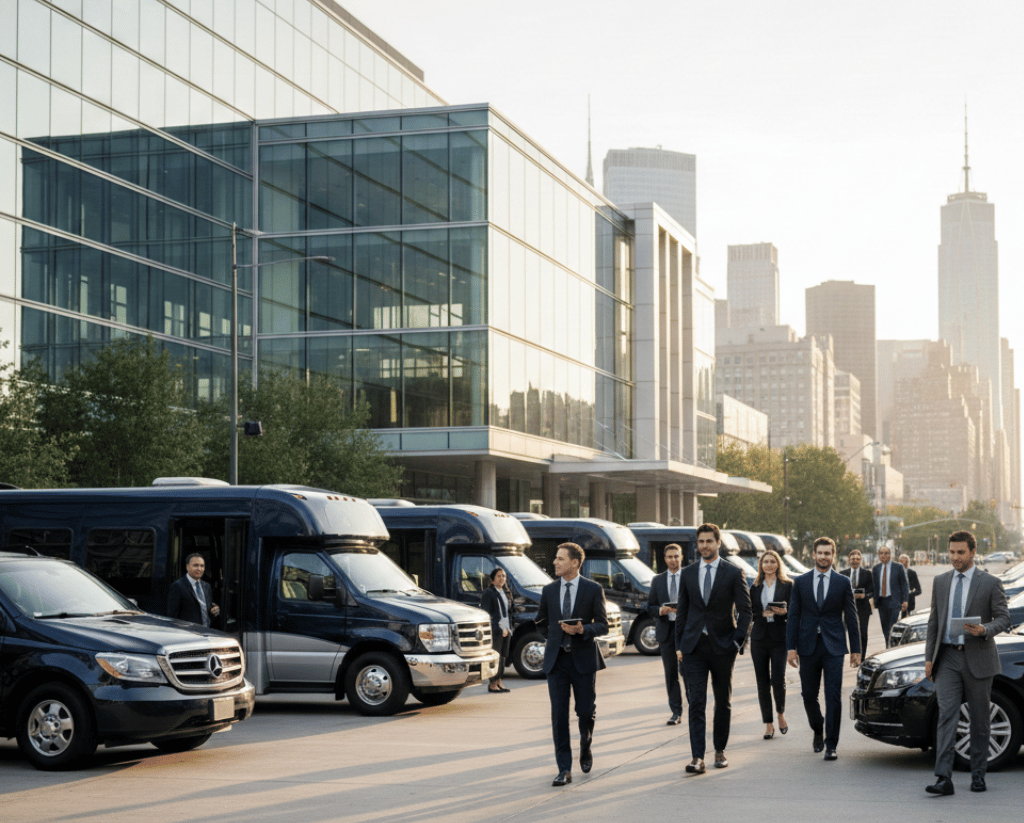
Why Your Corporate Event Needs a Professional Transportation Strategy
In the high-stakes world of business, every detail of an event—from the keynote speaker to the quality of the catering—is meticulously scrutinized. However, one of the most critical elements of a successful gathering often goes overlooked until the last minute: how attendees actually get there. In bustling business hubs like New York City and Long Island, the transition from an office or hotel to a venue is more than just a ride; it is the first touchpoint of the event experience.
A strategic approach to corporate event transportation ensures that the event begins on a high note. Rather than leaving guests to navigate the complexities of regional transit or the unpredictability of ride-sharing apps, a professional strategy integrates logistics into the event’s DNA, ensuring a seamless, high-end experience from door to door.
The Importance of Transportation in Corporate Events
Transportation is the backbone of event punctuality and professionalism. When guests are left to manage their own travel, the risk of staggered arrivals increases significantly. In a corporate setting, a delayed start due to late arrivals can derail an entire agenda, leading to rushed presentations and diminished ROI.
Beyond timing, transportation sets the tone. A well-coordinated arrival speaks volumes about an organization’s attention to detail. It eliminates the "travel fatigue" that often plagues attendees who have to navigate unfamiliar territory, allowing them to arrive refreshed, focused, and ready to engage.
What Is a Professional Transportation Strategy?
A professional transportation strategy is far more than a booking confirmation for a fleet of vehicles. It is a comprehensive blueprint that covers event logistics management from start to finish. This includes:
Pre-event Planning: Analyzing guest lists, flight schedules, and hotel locations.
On-site Coordination: Managing real-time arrivals and departures with dedicated dispatchers.
Timing & Buffer Management: Calculating precise "load-in" and "load-out" times while accounting for local variables.
Communication Flow: Ensuring drivers, organizers, and guests are all aligned through a centralized system.
Key Challenges in Corporate Event Transportation
Planning business event logistics in a region as dynamic as New York City and Long Island presents a unique set of hurdles that require expert navigation.
Traffic Congestion
New York City is notorious for its gridlock, especially during peak rush hours or when midtown tunnel closures occur. Similarly, the Long Island Expressway (LIE) can turn a 30-minute trip into a 90-minute ordeal without warning. A strategy must account for these "micro-climates" of traffic.
Parking Limitations
Finding parking for a single vehicle in Manhattan is difficult; finding it for a fleet of corporate shuttle services is nearly impossible without pre-arranged permits and designated staging areas.
Coordinating Large Groups
Moving 500 executives from a Wall Street conference to a dinner in the Hamptons requires a level of synchronization that goes beyond simple GPS. It requires manifest management and vehicle tiering.
Benefits of a Professional Corporate Event Transportation Strategy
The move toward professional event transportation offers several tangible advantages:
Enhanced Guest Experience: When guests are greeted by a professional driver and a clean, climate-controlled environment, they feel valued.
Brand Perception: High-quality executive transportation reflects a brand that is organized, successful, and considerate.
Organizer Peace of Mind: By outsourcing the heavy lifting of logistics, event planners can focus on the program content rather than worrying about whether the VIPs have arrived.
Transportation Planning for Corporate Events in New York & Long Island
The New York metropolitan area demands a localized strategy. For instance, a conference held at a Long Island venue may require shuttle loops from the nearest LIRR stations to accommodate commuters. Conversely, a Manhattan-based summit might prioritize "last-mile" connectivity to navigate the dense blocks between major transit hubs and the venue.
Regional considerations also include seasonal shifts. Planning an event in the Hamptons during the summer requires a vastly different timeline than a winter meeting in Brooklyn. A professional strategy anticipates these regional nuances to ensure guests are never caught off guard.
How Transportation Impacts Attendee Experience
The "traveler’s journey" is a psychological component of event planning. If an attendee spends an hour frustrated by traffic or lost in a subway station, their receptivity to the event's message decreases.
Executive transportation acts as an extension of the venue. Modern fleets often offer Wi-Fi and power outlets, allowing busy professionals to remain productive or catch up on emails. This transition period becomes a "third space" where networking begins organically, often before the official badges are even handed out.
Risk Management and Safety Considerations
Safety is an essential pillar of the EEAT (Experience, Expertise, Authoritativeness, and Trustworthiness) principle in event planning. A professional strategy includes:
Safety Protocols: Ensuring all vehicles undergo rigorous inspections and drivers are professionally trained.
Compliance: Adhering to DOT (Department of Transportation) regulations and insurance requirements.
Contingency Planning: Having "chase vehicles" or backup routes ready in case of road closures or mechanical issues.
Sustainability and Efficiency in Corporate Transportation
As ESG (Environmental, Social, and Governance) goals become a priority for modern corporations, corporate travel coordination must evolve. A professional strategy focuses on:
Optimized Routing: Using AI-driven software to find the shortest, most fuel-efficient paths.
High-Occupancy Vehicles: Utilizing group transportation for corporate events (like luxury motorcoaches) reduces the number of individual cars on the road, significantly lowering the event's carbon footprint.
Reduced Congestion: Strategic staging helps prevent idling, which is particularly important in NYC’s strict "no-idling" zones.
Best Practices for Corporate Event Transportation Planning
To ensure a flawless execution, planners should follow these industry best practices:
Start Early: Transportation should be booked as soon as the venue is secured. In New York, high-demand dates (like Fashion Week or the UN General Assembly) can exhaust local fleet availability months in advance.
Over-Communicate: Provide guests with clear instructions on where to find their shuttle or driver, including "live" contact numbers for dispatch.
Build in "Padding": Always add a 20% time buffer to any New York-based travel itinerary.
Why Transportation Strategy Is a Long-Term Investment
Viewing corporate transportation services as a one-off expense is a mistake. In reality, it is a long-term investment in organizational reputation. Consistently smooth logistics build trust with stakeholders, clients, and employees. When people know that attending your event is easy and stress-free, attendance rates for future events remain high.
Efficient logistics also prevent the "hidden costs" of delays—such as overtime fees for venue staff or missed sessions—making it a fiscally responsible choice for the budget-conscious planner.
Conclusion
In the competitive landscapes of New York City and Long Island, a professional transportation strategy is no longer a luxury—it is a necessity. By prioritizing corporate event transportation, organizations can eliminate the chaos of urban travel, elevate their brand image, and ensure that their guests arrive in the right frame of mind to contribute to the event's success.
Whether you are coordinating a small executive retreat in Montauk or a massive convention at the Javits Center, the difference between a good event and a great one often lies in the journey.